
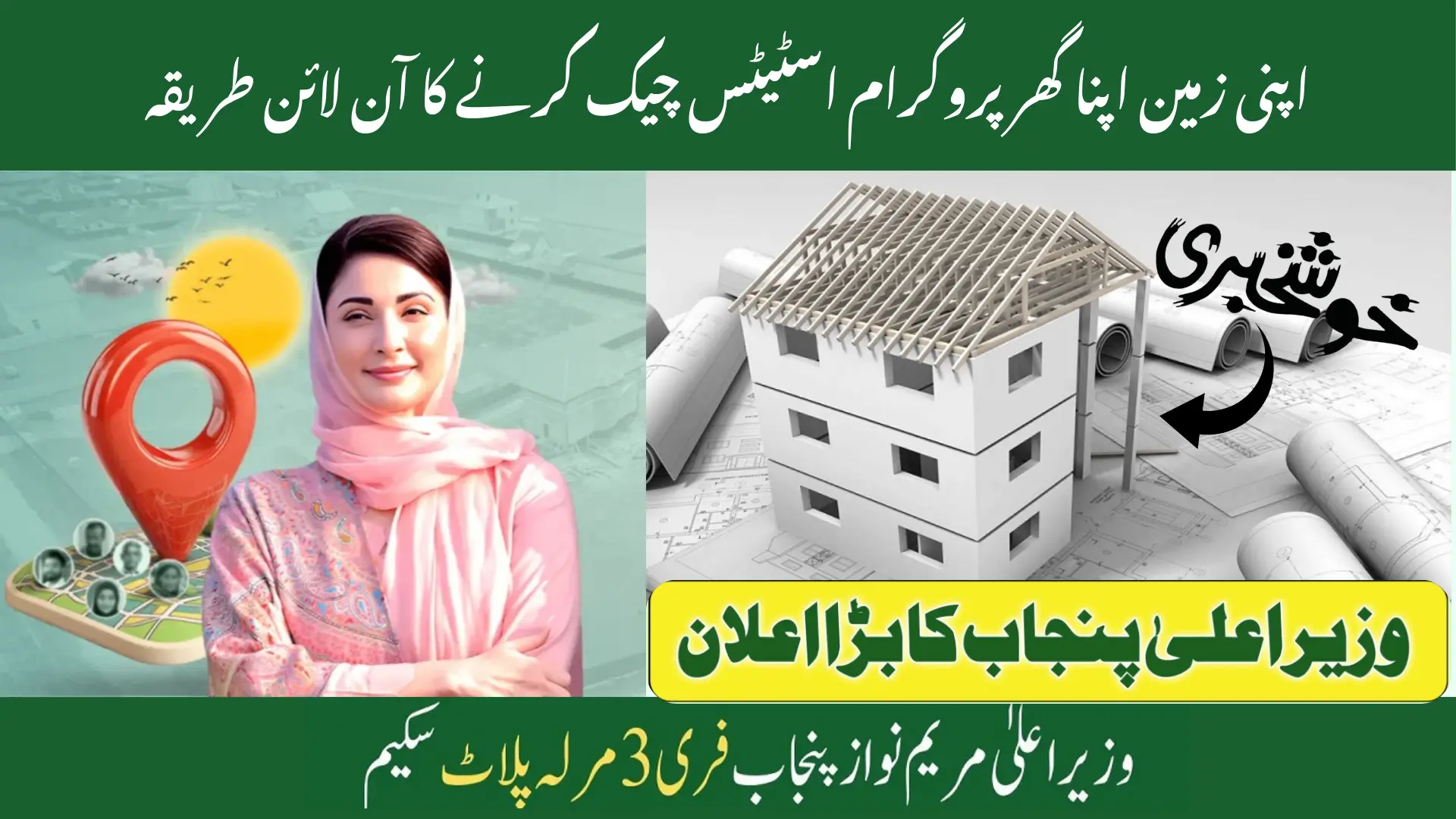
کیا آپ کا خواب اپنے خاندان کے لیے اپنی چھت کے نیچے ایک پر سکون گھر کا ہے؟ کیا مہنگائی کے اس دور میں رہائش کا حصول ناممکن لگتا ہے؟ اگر ہاں، تو پاکستان حکومت کی اپنی زمین اپنا گھر اسکیم آپ کے لیے ایک انقلاب لے کر آئی ہے۔ یہ صرف ایک ہاؤسنگ اسکیم نہیں، بلکہ ہر پاکستانی شہری کو اس کی اپنی زمین پر اس کا اپنا گھر دلوانے کا ایک قومی وعدہ ہے، خاص طور پر نچلے اور مڈل کلاس فیملیز کے لیے۔
تصور کیجیے کہ آپ کے پاس اپنے نام کی ایک پلاٹ ہو، جس پر آپ اپنی مرضی اور اپنی بساط کے مطابق اپنا گھر تعمیر کر سکیں۔ کوئی بھاری کرایہ نہ ہو، نہ ہی پرائی زمین پر غیر یقینی مستقبل۔ یہ اسکیم آپ کو صرف سستے ریٹ پر زمین ہی نہیں دیتی، بلکہ آسان قسطوں پر گھر تعمیر کرنے کے لیے مالی تعاون بھی فراہم کرتی ہے۔ یہ محبت کا تحفہ نہیں، بلکہ ہر محب وطن شہری کا آئینی حق ہے جسے پورا کرنے کے لیے حکومت مصروف عمل ہے۔
کیا آپ اس موقع سے فائدہ اٹھانے کے لیے تیار ہیں؟ کیا آپ اسکیم کی شرائط پر پورا اترتے ہیں؟ ذیل کی جدول میں ہم نے اس زندگی بدل دینے والی اسکیم کی بنیادی تفصیلات یکجا کی ہیں۔ اسے پڑھیں، اپنی اہلیت چیک کریں، اور اپنے گھر کے خواب کو حقیقت بنانے کے لیے درخواست دینے کا فیصلہ کریں۔
| تفصیل | معلومات کا خلاصہ |
|---|---|
| اسکیم کا مکمل نام | اپنی زمین اپنا گھر اسکیم (Apni Zameen Apna Ghar Scheme) |
| شروع کرنے والا ادارہ | حکومت پاکستان، محکمہ ہاؤسنگ اینڈ ورکس |
| اسکیم کا بنیادی مقصد | نچلے اور مڈل انکم گروپس کو سستی شرح پر رہائشی پلاٹس اور ہاؤس بلڈنگ فنانس مہیا کرنا |
| اہم ترین شرط | درخواست دہندہ کے پاس پاکستان میں کوئی رہائشی پلاٹ/جائیداد نہ ہو |
| درخواست کا طریقہ | سرکاری ویب پورٹل پر آن لائن درخواست |
یہ تو صرف تعارف ہے۔ اس مکمل گائیڈ میں، ہم آپ کو اسکیم کے ہر پہلو سے آگاہ کریں گے — کون اہل ہے، کتنی زمین ملے گی، قسطیں کتنی ہوں گی، اور درخواست کا مکعمل عمل کیا ہے۔ پڑھتے رہیں، کیونکہ یہ معلومات آپ کی زندگی کا اہم موڑ ثابت ہو سکتی ہے۔
Table of Contents
What is the Apni Zameen Apna Ghar AZAG Scheme?
The Apni Zameen Apna Ghar AZAG Scheme is a big deal in Pakistan’s effort to tackle its housing crisis. The government kicked it off as part of the Prime Minister’s Housing Program, and it’s all about giving low and middle-income families a real shot at owning their own homes. We’re talking affordable plots, easier access to housing loans—the works.
What’s interesting is how this program blends government muscle with private sector know-how. You’ve got the Ministry of Housing and Works in the mix, plus the State Bank and a bunch of commercial banks. They’re rolling out subsidized plots in new housing societies where the basics—roads, electricity, water, sanitation—are already sorted out.
For 2025-26, the government’s pumping even more money into the scheme, so more cities and families can get in on it. It’s not just about handing over land. They’re making it easier for people to actually build homes, too, thanks to simple installment plans and cheaper loans. For a lot of Pakistani families, that dream of having a place to call their own is finally within reach.
Eligibility Criteria for the Scheme
The Apni Zameen Apna Ghar AZAG Scheme sets out clear rules to make sure help goes to the people who actually need it—mainly first-time homebuyers from lower-income backgrounds.
Here’s what you need to qualify:
- You have to be a Pakistani citizen with a valid CNIC. Your family’s monthly income should fall between PKR 25,000 and PKR 60,000, though the exact amount depends on which city you’re applying in. You can’t already own a house or even a residential plot anywhere in Pakistan. Age matters too—only people between 21 and 50 can apply.
- The scheme gives preference to married folks with dependents. They also want to see that you have steady work or at least some income they can verify. Paperwork is important: you’ll need your CNIC, proof of income, a family registration certificate, and an affidavit stating you don’t own any property.
- On top of that, there are special spots reserved for widows, orphans, people with disabilities, and families of martyrs. Government employees from grades 1 to 16 also get a dedicated share. The whole eligibility process is strict—they check everything carefully to stop anyone from gaming the system.
Plot Sizes and Payment Plans
The Apni Zameen Apna Ghar AZAG Scheme makes it easier for people to own property, no matter their income. They offer standard plot sizes and let you pick a payment plan that actually fits your budget. It’s not just for the wealthy—these options open the door for a lot more families.
Here’s how the plots break down:
- A 5 Marla Plot (125 sq. yards) is meant for the lowest income group.
- A 7 Marla Plot (175 sq. yards) targets the lower-middle income group.
- A 10 Marla Plot (250 sq. yards) is for middle-income families.
Let’s look at the numbers for a 5 Marla Plot. The price runs between PKR 1,200,000 and 1,800,000, depending on where you buy. For the down payment, you’re looking at 10-20%—so, somewhere between PKR 120,000 and 360,000 up front.
The rest? You pay it off over 5 to 10 years. That’s 60 to 120 monthly installments, usually between PKR 8,000 and 15,000 each month, depending on what you put down and how long you stretch the payments.
They also keep the interest rate low—just 5-7%, way below the usual market rates. And if your family is below the poverty line, the government steps in with extra subsidies. One more thing: your monthly payment never goes up. So, you don’t have to worry about inflation suddenly making things harder down the road.
Step-by-Step Application Process
If you want to apply for the Apni Zameen Apna Ghar AZAG Scheme, you’ll go through a pretty straightforward online process on the government’s official portal. Stick to each step — it’ll make sure your application actually gets the attention it deserves.
Here’s what you need to do:
- First, register on the PM Housing Program website (www.pmhousingprogram.pakistan.gov.pk). You’ll need your CNIC and your phone number to set up your account.
- Next, fill out the online form. Be honest and accurate with all your personal, family, and financial details.
- Now, upload your documents. That means scanned copies of your CNIC, your income certificate, recent utility bills, your family registration certificate, and an affidavit that says you don’t already own property.
- Pick your category — choose the plot size and location you want from what’s available.
- Time to pay the non-refundable processing fee, which is usually between PKR 500 and 1000. Use the payment options listed on the site.
- Before you hit submit, double-check everything. Submit your application and make sure to save your reference number.
- After that, you’ll wait while they verify your eligibility. This includes background checks and making sure your documents are legit.
- Keep an eye on your status through the portal. If you get approved, they’ll send your allotment letter through SMS and email.
In general, the whole process takes anywhere from 4 to 8 weeks — from the day you apply to getting a decision. Don’t bother with middlemen or shortcuts; stick to the official website and channels.
Required Documents Checklist
Getting your paperwork right is the key to landing a spot in the Apni Zameen Apna Ghar Scheme. Most people get rejected simply because their documents are missing or wrong. Don’t let that be you.
Here’s what you need:
- Identity Proof: A clear copy of your CNIC, front and back.
- Income Proof: Bring your salary slip if you’re employed. If you run a business, you’ll need your business registration and a bank statement. Retired? Grab your pension document.
- Residence Proof: Utility bills (electricity or gas) from the past six months work best.
- Family Proof: Get your Family Registration Certificate (FRC) from NADRA.
- Property Affidavit: You’ll need a sworn statement—on stamp paper—saying you don’t own property in Pakistan.
- Photographs: Two recent passport-sized photos.
- Bank Details: Proof that you have a bank account for the installment payments.
- Special Category Proof: If it applies, include your disability certificate, widow certificate, or martyr family certificate.
Make sure every document is easy to read, whether it’s a scan or a photo. Some papers will need to be attested by the right authorities, so double-check that. And don’t just send everything off—keep copies, both physical and digital, just in case you need them later.
Participating Cities and Locations
The Apni Zameen Apna Ghar Scheme 2024-25 is up and running in several cities across Pakistan, and it’s not stopping there — more locations are coming soon. In each spot, you get developed plots with all the basics covered: roads, water, electricity, and gas.
Right now, the scheme’s active in a bunch of places:
- Islamabad/Rawalpindi: Bahria Enclave, Park View City (expansions), and Gulberg Greens
- Lahore: LDA City, Bahria Town, and Lake City
- Karachi: Bahria Town, Naya Pakistan Housing Scheme, and new parts of Gulshan-e-Maymar
- Other big cities: Faisalabad, Multan, Gujranwala, Sialkot, Peshawar, and Quetta
When you’re picking a location, think about a few key things. Check if the area already has roads, utilities, and solid infrastructure. Look at how fast the project’s moving — some places let you move in right away, others still have work going on. It’s also smart to consider whether the area’s likely to go up in value. Don’t forget to look at how close it is to the city center or public transport, and whether there are schools, hospitals, or shops nearby.
Everyone’s got different priorities, so you can pick what matters most to you. Some locations are ready for possession now, while others are rolling out in phases.
Benefits and Impact of the Scheme
The Apni Zameen Apna Ghar Scheme does a lot more than just help people own property. It kickstarts real economic growth and social change all over the country.
Here’s what it actually means for people who join:
- Wealth Creation: It helps families who don’t have much start building real assets.
- Financial Security: Fixed payments mean you always know what you owe, so no surprises.
- Social Stability: When families have a stable home, neighborhoods grow stronger.
- Dignified Living: You get better living conditions—think real infrastructure, not just four walls.
- Inter-generational Transfer: This isn’t just for today. Families can pass homes down to their kids.
- And zooming out, the program pushes the economy forward:
- Job Creation: New houses mean more jobs in construction and everything connected to it.
- Economic Stimulus: More building means higher demand for materials and services—good news for a lot of industries.
- Financial Inclusion: People who’ve never used banks before get pulled into the formal system.
- Urban Development: Cities grow in a planned way, with real facilities—not just makeshift settlements.
- Reduced Slums: As more people move into proper homes, pressure on slums goes down.
Honestly, this scheme tackles Pakistan’s housing crisis head-on and boosts the whole economy. It’s not just about homes—it’s about growth, stability, and a better future for everyone.
Take a look at the new Apni Chat Apna Ghar 2026 Scheme for what’s next.

2 thoughts on “Apni Zameen Apna Ghar Scheme 2025-26 | Complete Guide & Application”